
The debate over standing desks versus sitting desks has gained momentum as more people seek healthier and more productive work environments. With the rise of remote work and flexible office setups, choosing the right desk is crucial for comfort and efficiency. Understanding the benefits and drawbacks of each option can help you make an informed decision tailored to your needs.
What Are the Key Differences Between Standing Desks and Sitting Desks?
Standing desks and sitting desks each offer unique advantages and challenges. While standing desks promote movement and can reduce the risk of certain health issues, sitting desks provide comfort and are often more affordable. For a deeper understanding of the differences, consider exploring Standing vs. Sitting Desks. Your choice may depend on your work habits, health goals, and budget.
Pros and Cons of Standing and Sitting Desks
- Standing desks promote better posture.
- Sitting desks offer more comfort for prolonged periods.
- Standing desks may help burn more calories.
- Sitting desks are usually more affordable.
- Standing for too long can lead to fatigue.
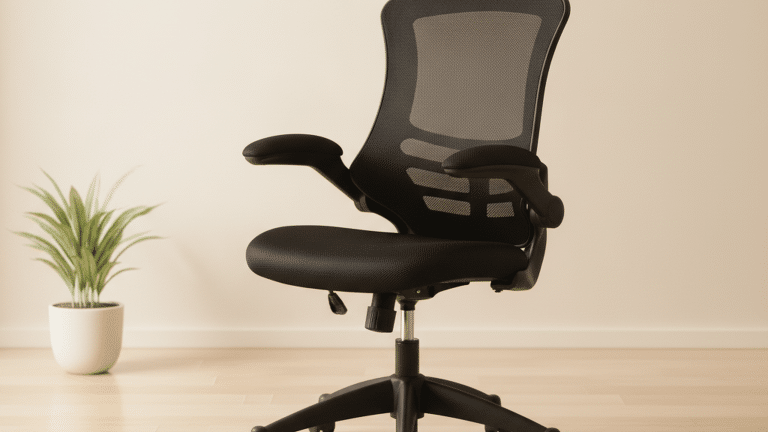
- Sitting desks require quality chairs for posture support.
- Standing desks encourage movement and flexibility.
- Sitting desks have a wider range of styles and prices.
The Health Benefits of Standing Desks
Standing desks have been praised for their potential health benefits, particularly in reducing the risk of obesity, cardiovascular disease, and back pain. By allowing users to alternate between sitting and standing, these desks encourage movement and help maintain energy levels throughout the day. Studies suggest that standing for an additional three hours a day can burn up to 30,000 extra calories annually, equivalent to running about ten marathons. For those considering the benefits of both options, it’s worth exploring the differences between Sitting vs. Standing Desks.
However, it’s important to note that standing desks are not a panacea. Prolonged standing without breaks can lead to discomfort or fatigue, particularly in the legs and feet. To maximize the benefits, it’s recommended to use anti-fatigue mats and wear supportive footwear. Additionally, adjusting the desk height to ensure proper posture is crucial to prevent strain on the neck and shoulders.


Viking Realspace Reunion Rectangular Table Beech MFC (Melamine Faced Chipboard), Steel Black 1,200 x 600 x 750 mm

Viking Realspace Standard Rectangular Folding Table Beech Steel, Wood Brown 1,800 x 800 x 750 mm

Viking Realspace Standard Rectangular Folding Table Beech Steel, Wood Brown 1,600 x 800 x 750 mm

Viking Realspace Rectangular Table Beech MFC (Melamine Faced Chipboard), Steel Black 1,600 x 800 x 750 mm

Dams International Straight Desk with 2 Drawer Pedestal Rectangular Beech H-Frame 2 Drawers 1,200 (W) x 800 (D) x 725 (H) mm MFC (Melamine Faced Chipboard)
The Comfort and Practicality of Sitting Desks
Sitting desks are a staple in traditional office environments and remain popular for their comfort and practicality. They are often more affordable and come in a wide variety of styles and sizes, making them suitable for different office layouts. When paired with an ergonomic chair, sitting desks can provide excellent support for the back and neck, minimizing the risk of musculoskeletal issues.
However, prolonged sitting has been associated with several health risks, including obesity, diabetes, and cardiovascular disease. To mitigate these risks, it’s advisable to take regular breaks to stand and stretch, incorporate physical activity into your daily routine, and ensure your chair and desk are adjusted to promote good posture. Investing in quality office chairs can significantly enhance the ergonomic benefits of sitting desks.
Comparison Table of Ergonomic Benefits
| Feature | Standing Desk | Sitting Desk |
|---|---|---|
| Posture Support | Improves with proper setup | Varies with chair quality |
| Calorie Burn | Higher due to standing | Lower |
| Cost | Generally higher | More budget-friendly |
| Flexibility | Encourages movement | Limited movement |
| Fatigue | Can increase if standing too long | Less fatigue for long hours |
Making the Right Choice for Your Workspace
Choosing between a standing desk and a sitting desk ultimately depends on your personal preferences, work habits, and health goals. If you’re looking to increase your activity levels and reduce sedentary time, a standing desk might be the right choice. On the other hand, if comfort and cost are your primary concerns, a sitting desk could be more suitable.
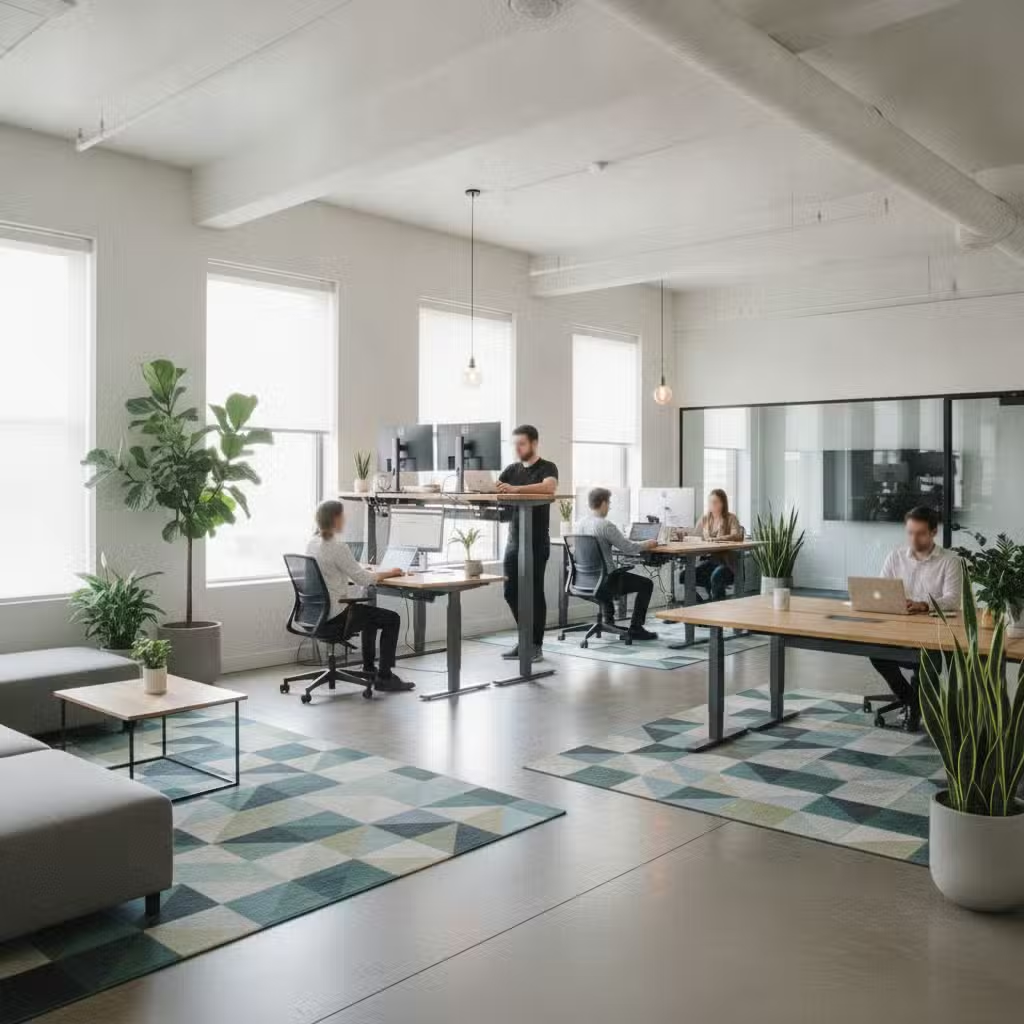
Many modern workspaces are adopting hybrid solutions, such as adjustable desks that allow users to switch between sitting and standing positions. This flexibility can offer the best of both worlds, accommodating various tasks and personal preferences. Ultimately, the key is to create a workspace that supports your health and productivity while fitting within your budget and space constraints.
Conclusion: Balancing Health and Productivity
In the debate between standing desks and sitting desks, there is no one-size-fits-all answer. Both options have their merits and potential drawbacks, and the best choice depends on individual needs and circumstances. By considering factors such as health benefits, comfort, cost, and personal preferences, you can create a workspace that enhances both your well-being and productivity.
Ultimately, the goal is to find a balance that allows you to work efficiently while taking care of your health. Whether you choose a standing desk, a sitting desk, or a combination of both, prioritizing ergonomics and regular movement will contribute to a healthier and more productive work environment.
Frequently Asked Questions
Can a standing desk help me lose weight?
While a standing desk alone is unlikely to cause significant weight loss, it can contribute to a more active lifestyle by encouraging movement and burning more calories than sitting. To maximize weight loss, combine the use of a standing desk with regular exercise and a balanced diet.
How long should I stand at a standing desk?
Experts recommend alternating between sitting and standing every 30 to 60 minutes to prevent fatigue and discomfort. It’s crucial to listen to your body and adjust your standing time based on how you feel. Incorporating short breaks to move around can also enhance your comfort and productivity.
What is the best chair to use with a sitting desk?
An ergonomic chair with adjustable features is ideal for use with a sitting desk. Look for chairs that offer lumbar support, adjustable seat height, and armrests to promote good posture and reduce strain on your back and neck. Investing in a high-quality chair can make a significant difference in your comfort and health.
Are there any downsides to using a standing desk?
While standing desks offer several health benefits, they can also lead to fatigue if used for extended periods without breaks. It’s essential to use proper footwear, consider an anti-fatigue mat, and ensure your desk is at the correct height to prevent discomfort. Balancing standing with periods of sitting can help mitigate these downsides.