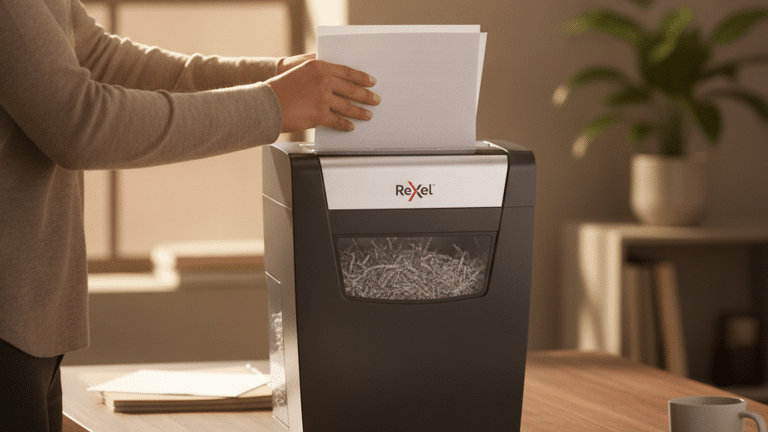


As the year draws to a close, office managers and IT professionals face the critical task of ensuring their data security measures are robust and up-to-date. With cyber threats evolving rapidly, it’s imperative to take a proactive approach to safeguard sensitive information. Implementing a comprehensive data security checklist can help mitigate risks and protect your organization from potential breaches. This blog outlines ten essential actions to enhance your office data security before the year ends.
Why is a Year-End Data Security Checklist Important?
In today’s digital age, data security is paramount for any organization. A year-end data security checklist ensures that all security protocols are reviewed, updated, and reinforced, providing peace of mind as you enter the new year. This proactive approach not only protects sensitive information but also helps in maintaining compliance with industry regulations.
Quick Checklist of Data Security Actions
- Update all software and systems
- Perform regular data backups
- Review and adjust access controls
- Conduct comprehensive security training
- Implement multi-factor authentication
- Audit security policies
- Secure physical devices
- Monitor network activity
Updating Software and Systems
Keeping software and systems updated is a fundamental step in protecting your office data. Outdated software can have vulnerabilities that cybercriminals exploit to gain unauthorized access. Regular updates patch these vulnerabilities, enhancing the security of your systems. Ensure all applications, including operating systems and security tools, are updated to their latest versions.
Moreover, consider implementing automated update systems to streamline this process. Automated updates help ensure that no system is left vulnerable due to human oversight. This practice not only secures your data but also optimizes overall system performance, reducing the risk of downtime caused by security breaches.


Viking Shredder 18 Sheets Cross Cut Security Level P-4 28 L OS1801CI

Viking Shredder 12 Sheets Cross Cut Security Level P-3 25 L OS1201D

Viking Auto Feed Shredder 120 Sheets Micro Cut Security Level P-4 23 L C233-B

Viking Shredder 10 Sheets Cross Cut Security Level P-4 10 L OS1006C

Viking Shredder 9 Sheets Micro Cut Security Level P-5 20 L OS901Mi
Enhancing Employee Security Awareness
Employees play a crucial role in maintaining data security. Conducting regular security training sessions can significantly reduce the risk of human error, which is often a primary cause of data breaches. These sessions should cover the latest phishing tactics, password management best practices, and the importance of reporting suspicious activities promptly.
In addition to training, establishing a clear communication channel for reporting security concerns can empower employees to act swiftly in the face of potential threats. By fostering a culture of security awareness, organizations can build a first line of defense against cyber threats, ensuring that every team member contributes to safeguarding sensitive information.
Summary of Key Data Security Actions
| Action | Description |
|---|---|
| Update Software | Ensure all applications are updated to the latest versions. |
| Backup Data | Regularly backup all critical data to secure locations. |
| Review Access Controls | Check and update permissions for all users. |
| Conduct Security Training | Provide employees with updated security training sessions. |
| Implement Multi-Factor Authentication | Enhance login security across all platforms. |
Final Thoughts on Securing Office Data
As we approach the end of the year, taking these proactive steps to enhance your office’s data security is essential. Implementing a comprehensive checklist not only protects your organization from cyber threats but also ensures compliance with regulations and boosts overall confidence in your security measures.
By addressing potential vulnerabilities now, you can enter the new year with a robust defense strategy, safeguarding your valuable data and maintaining your organization’s reputation.
Frequently Asked Questions about Office Data Security
Why is data backup important?
Data backup is crucial because it ensures that you can recover important information in the event of data loss due to hardware failure, cyberattacks, or human error. Regular backups minimize downtime and protect against data breaches, allowing your business to continue operations smoothly.
How often should security training be conducted?
Security training should be conducted at least annually, with additional sessions whenever significant updates or changes to security protocols occur. Regular training helps keep employees informed about the latest threats and reinforces best practices for data protection.
What is multi-factor authentication?
Multi-factor authentication (MFA) is a security measure that requires users to provide two or more verification factors to gain access to a system. This adds an extra layer of security, making it more difficult for unauthorized individuals to access sensitive information.
How can I ensure physical device security?
Physical device security can be ensured by implementing policies such as locking devices when not in use, using cable locks for stationary equipment, and securing mobile devices with passwords or biometric authentication. Regular audits and employee training further enhance physical security measures.
What should be included in a security policy audit?
A security policy audit should include a review of current policies, procedures, and controls to ensure they meet industry standards and effectively protect data. Regular audits help identify potential gaps and areas for improvement, ensuring your security measures remain effective against emerging threats.