
Last Updated on 11/06/2026
In the bustling environment of an office, organization is key to maintaining efficiency and productivity. Labels play a crucial role in this process by providing clarity and order. Whether it’s labeling files, shelves, or equipment, choosing the right label for each task can save time and reduce stress. This guide will help office managers and administrative staff select the most suitable labels, ensuring a well-organized workspace.
What are the Quick Tips for Choosing Office Labels?
Choosing the right label can be simplified by considering a few key factors. First, determine the purpose of the label. Is it for temporary use or a permanent fixture?
Key Considerations for Label Selection
- Determine the label’s purpose and application.
- Assess the environmental conditions.
- Choose the appropriate size and shape.
- Consider the label’s adhesive strength.
- Evaluate the need for customization or pre-printed options.
- Ensure compatibility with existing office equipment.
- Factor in cost-effectiveness for bulk purchases.
- Check supplier reliability and delivery options.
Understanding Different Label Materials
Labels come in various materials, each suited for different tasks. Paper labels are ideal for indoor use, such as labeling files and folders, because they are cost-effective and easy to write on. However, they lack durability and are not suitable for long-term use or exposure to harsh conditions. For more information on Choosing the right labels, consider the specific needs of your labeling project.
For more robust applications, consider vinyl labels. These are weather-resistant and perfect for labeling outdoor equipment or items in high-contact areas. Vinyl labels withstand moisture, UV light, and temperature changes, making them a versatile choice for demanding environments.
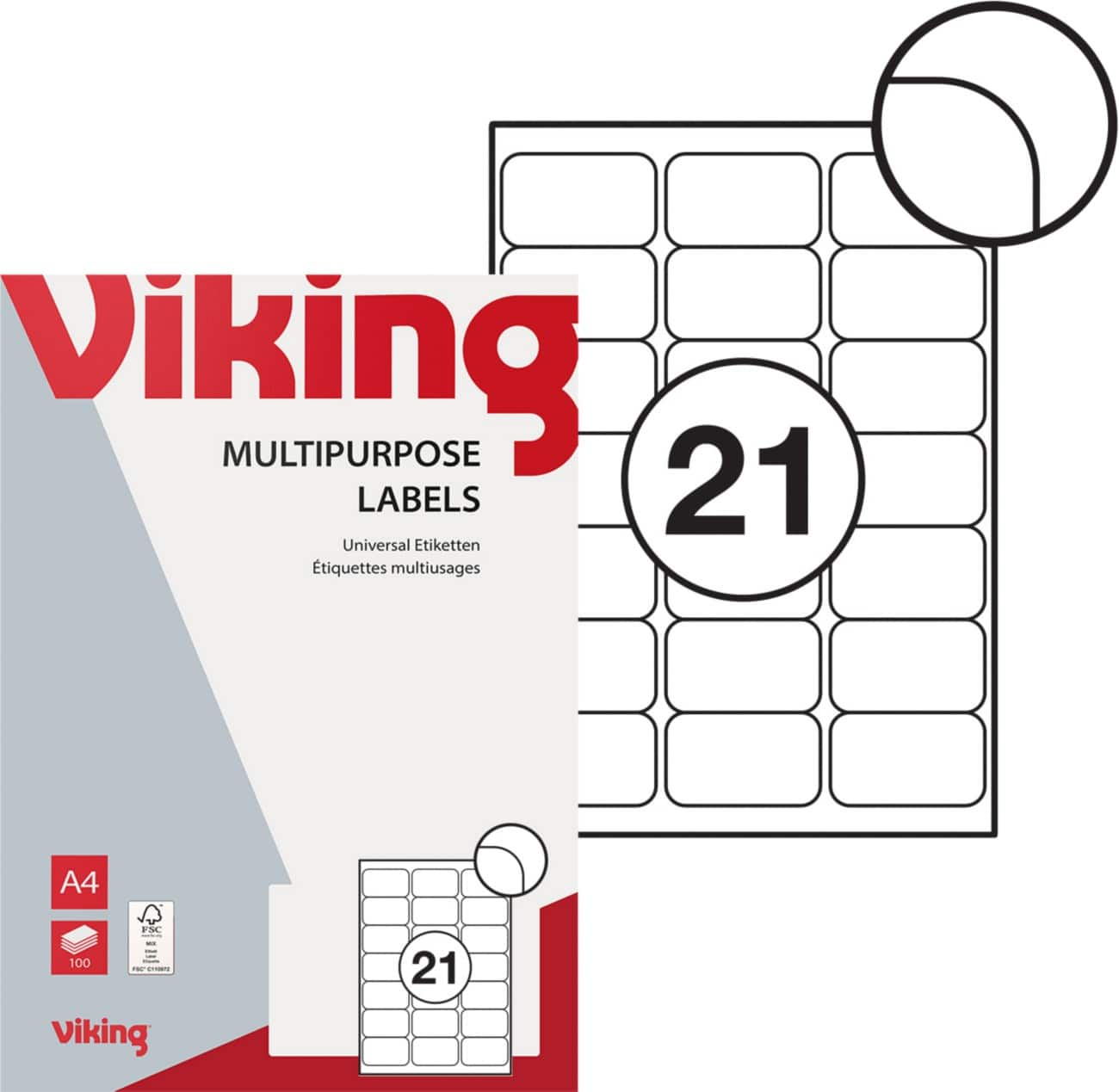
Viking Multipurpose Labels Adhesive Special format White 6.35 x 3.81 cm 100 Sheets of 21 Labels

Viking Multipurpose Labels Adhesive Special format White 13.9 x 9.91 cm 100 Sheets of 4 Labels

Avery UltraGrip Address Labels L7163-100 Adhesive A4 White 99.1 x 38.1 mm 100 Sheets of 14 Labels

Viking Address Labels Adhesive Special format White 89 x 36 mm 1 Pieces of 250 Labels

Viking Multipurpose Labels Adhesive A4 White 21 x 29.7 cm 100 Sheets of 1 Label
Choosing the Right Label Size and Shape
The size and shape of a label can significantly impact its effectiveness. Smaller labels are perfect for files and small containers, where space is limited. Conversely, larger labels are necessary for visibility on storage boxes or equipment, ensuring information is easily readable from a distance.
Custom shapes can also be advantageous. For instance, circular labels are often used for color-coding, while rectangular labels are standard for text-heavy applications. By matching the label’s shape and size to its purpose, you ensure optimal utility and organization.
Comparison Table of Label Types
| Label Type | Best For | Durability |
|---|---|---|
| Paper Labels | Files and folders | Low |
| Vinyl Labels | Outdoor equipment | High |
| Thermal Labels | Shipping | Medium |
| Removable Labels | Temporary markings | Low |
| Clear Labels | Glass surfaces | Medium |
Specialty Labels for Unique Office Needs
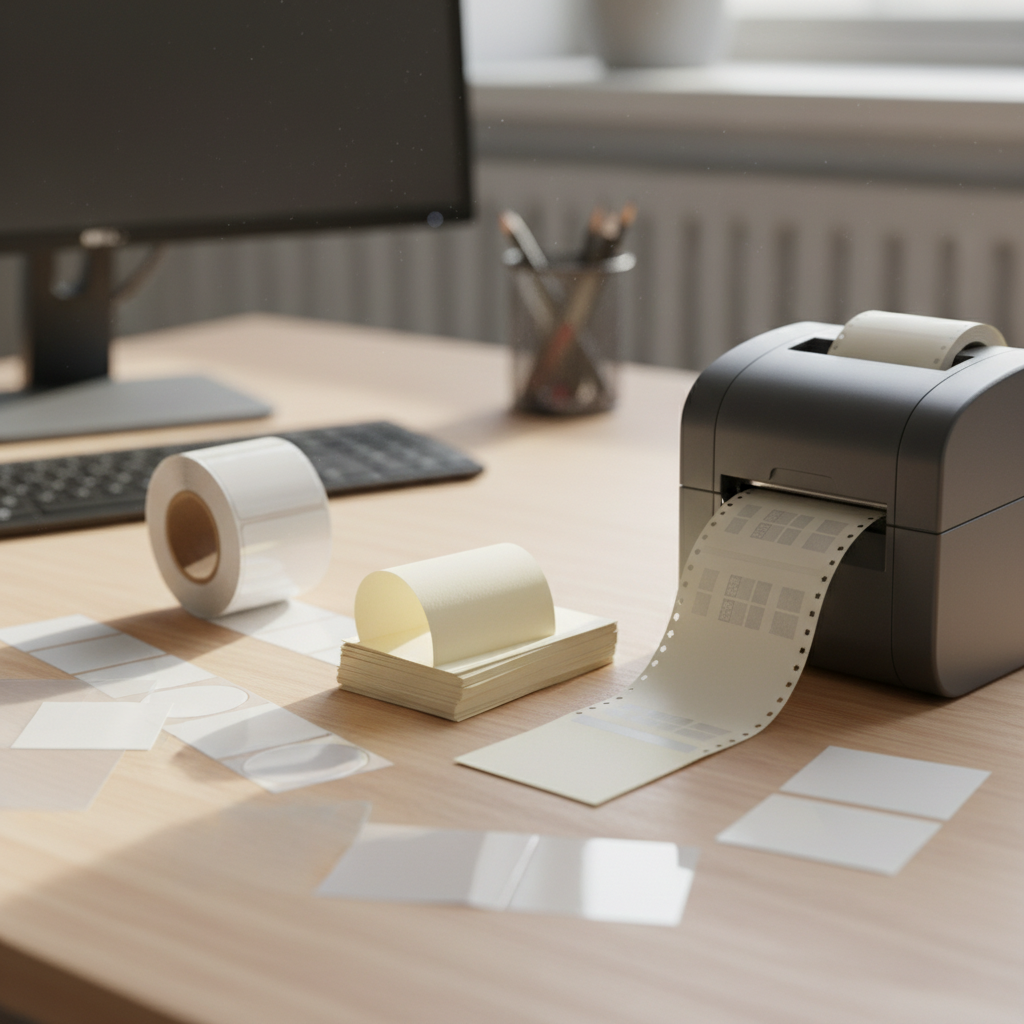
Some office tasks require specialty labels that offer unique features. Thermal labels are a popular choice for shipping, as they can be printed on demand and are resistant to smudging. Their adhesive is also designed to withstand the rigors of transit.
Removable labels are perfect for temporary tasks, such as event planning or seasonal organization. They can be easily removed without leaving residue, making them a flexible option for dynamic environments. Clear labels, on the other hand, are ideal for labeling glass surfaces, offering a professional and unobtrusive look.
Conclusion: Streamlining Office Tasks with the Right Labels
Choosing the right label for each office task can greatly enhance efficiency and organization. By considering the label’s material, size, shape, and specialty features, you can ensure that your office remains well-organized and functional.
Remember, the right label not only saves time but also reduces errors and miscommunication. With these insights, office managers and administrative staff can make informed decisions, leading to a more productive work environment.
Frequently Asked Questions
What is the best label for outdoor use?
Vinyl labels are the best choice for outdoor use due to their durability and resistance to weather conditions. They can withstand moisture, UV light, and temperature fluctuations, making them ideal for labeling outdoor equipment or areas exposed to the elements.
Can I use paper labels for shipping?
While paper labels are cost-effective, they are not recommended for shipping as they lack durability. Thermal labels are a better option for shipping as they are designed to withstand handling and environmental stress during transit, ensuring that the information remains intact.
How can I ensure labels do not leave residue?
To prevent residue, opt for removable labels. These labels are designed to peel off cleanly without leaving adhesive behind, making them ideal for temporary tasks or surfaces that require frequent label changes.
Are there labels that can be customized?
Yes, many suppliers offer customizable labels that can be printed with specific text, logos, or designs. This is particularly useful for branding purposes or when specific information needs to be displayed consistently across various items in the office.