
Last Updated on 09/10/2026
What does your packaging cost per parcel?
Compare protective materials using your own prices and usage.
Parcels per pack = how many parcels one roll, bag or pack covers. For a 50 m roll using 1 m per parcel, enter 50.
Example figures, not Viking prices. Material cost only; excludes boxes, tape, packing time and delivery. Compare options that provide suitable protection for your item.
In short
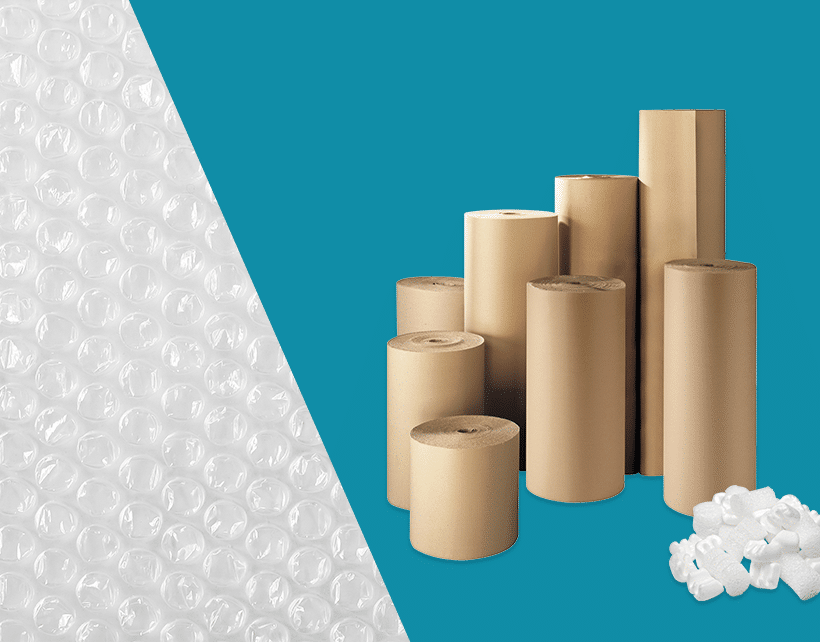
Kraft paper, honeycomb paper wrap and paper void fill cover most bubble wrap jobs. Kraft paper wraps everyday items. Honeycomb paper wrap - sold as paper bubble wrap - cushions fragile goods. Paper void fill stops the contents sliding around the box.
For heavier parcels, switch to compostable packing peanuts, shredded paper or wool packaging. For premium unboxing, use mushroom packaging, seaweed packaging or wooden springs. For a house move, newspaper, spare clothes and moving blankets cost nothing at all.
Twenty alternatives follow, sorted into four families: paper and card, loose fill, natural fibre and compostable, plus free and reusable options. Every one beats plastic bubble wrap on disposal. Most beat it on cost per parcel too.
Every Viking packaging order includes:
- Free next working day delivery
- Free returns
- Nectar points on every order
- Viking One rewards for regular buyers
What's wrong with plastic bubble wrap?
Plastic bubble wrap cushions well. No argument there. The problem arrives at the end of the parcel's life, not at the start of it.
Three things decide whether a packaging material is defensible in 2026: how long it lasts, what it becomes after it fragments, and whether a household can recycle it at the kerbside.
Bubble wrap degradation time: decades to centuries
Bubble wrap is polyethylene. Microbes do not digest it.
Sunlight, heat and abrasion break the film into smaller and smaller pieces. The polymer itself stays. The figure most often quoted for bubble wrap in landfill is up to 1,000 years. Published estimates for low-density polyethylene film run from a few decades to several centuries, depending on UV exposure, oxygen and moisture levels. No credible source claims fast breakdown in a sealed landfill cell.
The practical point for a shipping operation: every roll carries a disposal liability the buyer cannot control. Paper void fill and compostable packing peanuts do not.
Microplastics: the fragments that never leave
Once plastic film fragments, the particles travel. Wind, drainage and run-off carry them into rivers, then into the sea.
- ONS sampling of UK seafloor sediment averaged 3,000 microplastic particles per kilogram.
- The Marine Conservation Society estimates 11 million tonnes of plastic enter the ocean every year, including nearly 1 million tonnes of primary microplastics.
- Particles below 5 mm are difficult to recover and easy for marine life to ingest.
Bubble wrap shares its polymer family with shrink wrap and carrier bags. Same fragmentation pathway. Same destination.
Kerbside recycling: why recyclable bubble wrap usually misses the bin
Recyclable bubble wrap is technically recyclable. Household collection is where it fails.
- Soft plastic film wraps around sorting machinery and jams screens. Most material recovery facilities are built for rigid bottles and containers, not flexible film.
- Only 16% of UK local authorities offered kerbside plastic film recycling as of April 2025, according to RECOUP.
- UK plastic film collection reached an estimated 31,000 tonnes in 2024, against 420,500 tonnes placed on the market - a 7% collection rate.
- Most households must use a supermarket soft-plastic drop-off point instead. Recycle Now lists the nearest one.
Result: recyclable bubble wrap frequently lands in residual waste. That undermines the sustainability message printed on the box.
What is bubble wrap made of - and does recycled content fix it?
What is bubble wrap made of? Polyethylene resin, melted into a thin film, drawn over rollers to form air pockets, then sealed under a second layer of film. The same base polymer as a plastic carrier bag.
Recycled bubble wrap improves the picture without solving it. Sealed Air rolls carry 30% recycled content, and that number now carries real money behind it:
- Plastic Packaging Tax: £228.82 per tonne from 1 April 2026 on plastic packaging containing under 30% recycled content. Registration applies from 10 tonnes.
- Packaging EPR: an illustrative plastic disposal fee of £455 per tonne for 2026–27, with hard-to-recycle, red-rated packaging charged at a higher modulated rate.
- Buying bubble wrap below that 30% recycled threshold adds a tax line to every parcel shipped.
Verdict: recycled bubble wrap is a sensible fallback for genuinely fragile goods. Bubble wrap eco friendly it is not. Not on kerbside collection, and not on degradation time. Move everything else to paper.
Recycled bubble wrap that clears the 30% recycled content threshold:
- Sealed Air AirCap Bubble Wrap PE (Polyethylene) Recycled 30% 750 mm (W) x 60 m (L) Grey - View offer
- Sealed Air Large Bubble Wrap Recycled 30% 750 mm (W) x 30 m (L) Grey - View offer
- Sealed Air AirCap ELRT Bubble Roll Recycled 30% 500 mm x 50 m - View offer
- Sealed Air Bubble Wrap PE (Polyethylene) Recycled 30% 500 mm (W) x 25 m (L) Grey - View offer
- Sealed Air Small Bubble Wrap Recycled 30% 1000 mm (W) x 100 m (L) Grey - View offer
Browse the full bubble wrap and bubble bags range ›
Paper and card: the default swap
Paper and card cover roughly 80% of bubble wrap jobs. All of it goes in the kerbside paper bin. Keep it clean and dry.
Seven formats are worth stocking.
Kraft paper
Kraft paper is the workhorse of the group. It arrives on a roll, tears by hand and wraps flat or boxed goods in seconds.
- Recycled content available - check the product specification before making a claim
- Printable - add a logo, returns note or brand message to every parcel
- Lowest paper cost per metre of any wrap on this list
- Crumples into void fill when a box needs topping up
Limitations: a flat sheet provides almost no cushioning. Fragile items need honeycomb paper wrap or a paper air cushion underneath the kraft layer.
Best for: everyday wrapping, box liners, crinkle filler, branded packaging.
Shop kraft brown packing paper ›
Corrugated paper
Corrugated paper is single-face corrugated board on a roll. The fluted layer creates an air channel between the product and the box wall, and that channel absorbs impact.
- Structure plus cushioning in one pass - flat paper cannot match it
- Ideal for edges and corners, the weakest point on most parcels
- Cuts to length with a knife or dispenser, then tapes flat
- Kerbside recyclable with the paper stream
Limitations: bulkier than kraft paper. It resists tight wrapping around irregular shapes. Not the cheapest paper option per metre.
Best for: picture frames, boxed electronics, internal partitions, laptops, monitors, fragile corners.
Crinkle paper
Crinkle paper is kraft paper run through crimping rollers. The crimp adds volume, springiness and a finished look.
- Void fill and presentation in one material
- Colour options to match brand colours for gifting and subscription boxes
- Packs densely and holds small items still
- Recyclable with paper at the kerbside
Limitations: decorative fill is not structural protection. Do not rely on crinkle paper alone for glass, ceramics or anything breakable.
Best for: gift boxes, hampers, subscription boxes, small gaps, product presentation.
Pair it with our wider postage and packaging supplies range ›
Honeycomb paper wrap
Honeycomb paper wrap is the closest paper equivalent to bubble wrap, and it is where most switches start. Staggered cuts in kraft paper open into 3D honeycomb cells when the roll is stretched.
- Wraps like bubble wrap - the interlocking cells flex and absorb shock
- 100% paper - kerbside recyclable with no plastic layer to strip
- Lightweight - lower parcel weight than a double layer of kraft
- Compact on the roll - less storage space than the same metres of bubble wrap
- More metres per pallet - a smaller transport footprint per parcel
Limitations: it does not shrug off moisture the way plastic does. Very heavy or very fragile items may need a second wrap or an added paper air cushion.
Best for: glass, porcelain, cosmetics, bottles, electronics, general ecommerce.
Paper bubble wrap
Paper bubble wrap is the retail name for the expanding honeycomb format, supplied in dispenser-ready rolls. Same material family, same kerbside recyclability, sold by the metre for pack benches.
- Dispenser-ready for volume packing
- Plastic-free - no soft-plastic drop-off point needed
- Recyclable bubble wrap substitute that clears kerbside rules in most areas
- Similar hand-feel to plastic bubbles, so packers adapt quickly
Limitations: check the GSM before bulk buying. Thin grades crush under heavy loads, and paper bubble wrap is not waterproof.
Best for: ecommerce fulfilment, small parcels, cosmetics, books, subscription boxes.
Paper air cushions
Paper air cushions are paper pillows that replace plastic air pillows. Kraft outer layer, starch-based inner film that dissolves harmlessly during paper pulping.
- Protects lightweight goods in transit
- Disposes with paper recycling - the starch inner breaks down in pulp processing
- Fast void fill at the top of a box
- Quicker than hand-crumpling paper on a busy bench
Limitations: light duty only. Never use as the sole protection for heavy or sharp-edged items. They also take up airy storage space.
Best for: top-of-box cushioning, light ecommerce items, cosmetics, presentation layers.
Paper void fill
Paper void fill is a continuous crinkled paper stream, normally paired with a compact dispenser. It fills empty space so contents cannot move.
- Stops movement - the single biggest cause of transit damage
- One pull, one tear - the fastest paper format on a packing bench
- Very low cost per parcel
- Kerbside recyclable
Limitations: void fill does not replace wrapping. A fragile item still needs honeycomb wrap or a cushioning layer first. Fill the gaps after wrapping, not instead of it.
Best for: box voids, multi-item orders, protecting the top layer, reducing oversized boxes.
Loose fill: the cheapest way to stop movement
Loose fill drops into the gaps around a wrapped item. It is fast, cheap and forgiving of awkward box shapes. What to use instead of bubble wrap when the parcel is heavy, bulky or oddly shaped - loose fill.
Compostable packing peanuts
Compostable packing peanuts are starch-based, made from corn, wheat or potato, not polystyrene. They look like foam and behave completely differently.
- Dissolve in water - run them under a tap and they disappear
- Home compostable - break them up and mix them through the heap
- Anti-static, which suits electronics and components
- Lightweight, so they add almost nothing to shipping weight
Limitations: keep them dry in storage. Never flush bulk quantities down a drain - dissolved starch forms a thick slurry. Check the label too, because "biodegradable" does not always mean home compostable.
Best for: large voids, electronics, hampers, awkward gaps, multi-item orders.
Quick test: drop one peanut in a cup of water. Starch-based compostable packing peanuts soften within minutes. Polystyrene does not.
Shredded paper
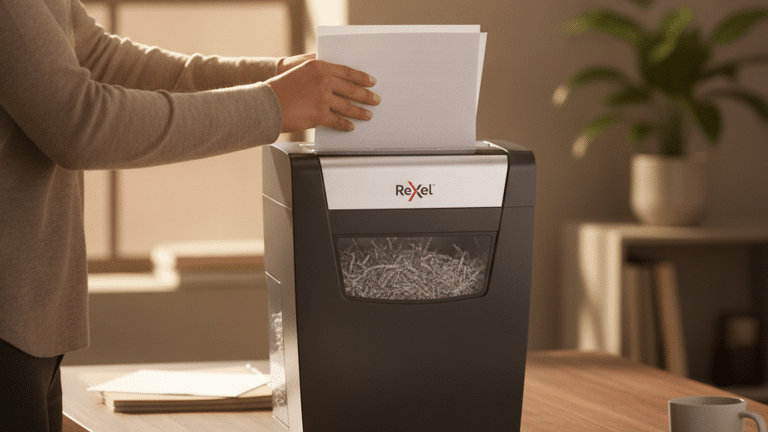
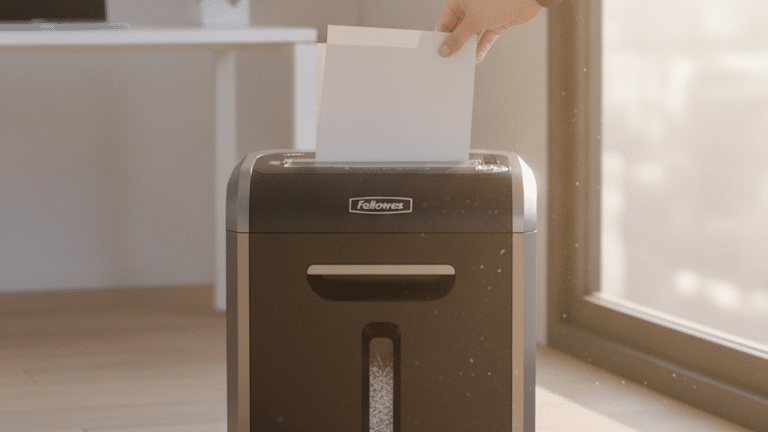
Shredded paper is the cheapest loose fill available. Use confidential offcuts from the office shredder, or buy coloured crinkled strips for presentation.
- Zero or near-zero cost when office shredding is reused
- Recyclable with paper at the kerbside
- Colour options for gifting and subscription boxes
- Excellent for small gaps and topping up multi-item boxes
Limitations: it settles in transit, so pack densely. It is not structural protection on its own - never the only cushioning for glass, ceramics or breakable items.
Best for: gift boxes, presentation, small gaps, topping up multi-item orders.
Shop crinkled shredded paper ›
Wood wool
Wood wool - also called excelsior - is curled wood fibre. It cushioned parcels long before bubble wrap existed, and it still does.
- Biodegradable and compostable at end of life
- Cushions and fills in a single material
- Rustic, natural presentation for premium unboxing
- Made from a renewable raw material
Limitations: loose fibres are messy and can snag on polished finishes. Not ideal for very small items. A paper liner keeps parcels tidy.
Best for: hampers, wine and spirits, gift sets, premium retail.
Wooden springs
Wooden springs are thin strips of wood formed into spring-shaped coils. RAIKU, an Estonian developer, raised €8.8m to scale the format as a direct bubble wrap replacement.
- Compostable at end of life
- Coil geometry absorbs shock - compresses, then springs back
- Rigid structure that stops movement as well as cushioning it
- Distinctive unboxing for premium and luxury brands
Limitations: limited UK availability, and order times plus minimum quantities vary by supplier. Test with your product and courier before committing to volume.
Best for: premium brands, wine and spirits, ceramics, high-value retail.
Natural fibre and compostable alternatives
These materials break down in soil or in a home compost bin. They suit brands that promise plastic-free packaging - and customers who check the small print.
Wool packaging
Wool packaging uses sheep's wool as a cushioning or insulating layer. Woola makes wool mailers and padded packaging. Woolcool uses wool fleece liners for chilled and pharmaceutical deliveries.
- Compostable wool insulation, certified for composting - remove any plastic film first and recycle it separately
- Breathable and insulating, which keeps chilled goods cold
- Cushions well and moulds around awkward shapes
- Renewable - wool regrows, and UK fleece has a real supply chain behind it
Limitations: a higher unit cost than paper. Bulkier to store. Check every component - sleeve, film, adhesive - because compostability claims often apply to specific parts, not the whole pack.
Best for: chilled food, meal kits, pharmaceuticals, subscription boxes, premium gifting.
Mushroom packaging
Mushroom packaging is grown, not manufactured. Mycelium binds agricultural waste into moulded shapes in about a week.
- Biodegrades in around 45 days when broken into pieces and returned to soil, per the Magical Mushroom Company
- Moulded to fit the product - corner blocks, inserts, protective shells
- Accepted in food-waste collections for anaerobic digestion in many areas
- Plastic-free and home compostable
Limitations: moulds are product-specific, so tooling needs volume to justify. It is not a flexible wrap - mushroom packaging replaces box inserts and corner protectors more than bubble wrap itself.
Best for: boxed electronics, cosmetics, drinks, protective inserts, corner blocks.
Seaweed packaging
Seaweed packaging replaces plastic with seaweed and plant-based coatings. Notpla's coated range is plastic-free, PFAS-free and home compostable.
- Home compostable in around 4–6 weeks across the coated range
- Recyclable with paper where local facilities accept coated packaging
- No plastic lining to strip before disposal
- Made from a fast-growing, low-input crop
Limitations: mostly foodservice formats today - trays, boxes, coatings - rather than general cushioning. Compostability varies by product and certification, so check the specification sheet rather than the marketing line.
Best for: food packaging, meal kits, takeaway ranges, plastic-free linings.
Free and reusable bubble wrap alternatives
House moves and one-off parcels do not need a purchase order. These four options cost nothing and keep materials in use.
Newspaper and magazines
Newspaper is the original wrapping paper. Crushed newsprint cushions, insulates and fills.
- Free in most homes and offices
- Recyclable with paper at the kerbside
- Excellent for glass and crockery wrapped in several layers
- Holds its shape when crumpled tightly
Limitations: newsprint transfers ink onto pale or porous surfaces. Add a paper liner for light-coloured goods, and skip newspaper where a clean unboxing matters.
Best for: house moves, kitchenware, one-off parcels, internal padding.
Spare clothes
Spare clothes and old towels wrap awkward shapes better than paper. They follow contours and absorb shock.
- Free
- Ideal for odd shapes - lamps, bike parts, framed prints
- Reusable at the other end of the move
- No ink transfer onto products
Limitations: weight pushes parcels into higher courier bands. Keep spare clothes for local moves or items where weight is already accounted for.
Best for: moving house, local deliveries, odd-shaped items, extra cushioning.
Moving blankets and towels
Moving blankets are thick quilted pads built for furniture. Bubble wrap struggles with a chest of drawers. A moving blanket does not.
- Reusable hundreds of times - no single-use material at all
- Protects large, heavy and awkward items
- No tape residue when wrapped and strapped properly
- Reduces box count on a house move
Limitations: they need storage space between moves, and a moving blanket is not a shippable outer layer for postal parcels.
Best for: furniture, white goods, mirrors, televisions, house moves.
Reused and recycled bubble wrap
The greenest bubble wrap is the roll already sitting in the storeroom. Reuse beats replacement every time.
- Second and third use costs nothing and keeps film out of waste
- Recycled bubble wrap at 30% recycled content avoids Plastic Packaging Tax and qualifies for a lower EPR rating
- Collected film often has a supermarket soft-plastic drop-off nearby; Recycle Now lists locations
- Padded envelopes can be reused as mailers while the seals still hold
Limitations: reused wrap has already absorbed impacts, so retire it once bubbles are flat or the film is torn. Mixed padded envelopes still cannot go in kerbside recycling, even though the paper and bubble layers are separately recyclable.
Sending mailers instead of boxes? Read our guide to recycling padded envelopes ›
Which bubble wrap alternative should you use?
| Material | Best used for | Limitations |
|---|---|---|
| Kraft paper | Wrapping everyday items; crumpling to fill small gaps | A flat sheet provides little cushioning. Fragile items need additional protection. |
| Honeycomb paper wrap | Wrapping individual items with light cushioning | May not provide enough protection on its own for heavy or very fragile goods. |
| Paper void fill | Filling empty spaces in a parcel to help stop items moving | Filling the gaps does not replace wrapping or cushioning around fragile items. |
| Shredded paper | Gift boxes, product presentation and filling small gaps | Decorative fill should not be the main protection for glass, ceramics or other breakable items. |
| Corrugated paper | Edges, corners and rigid protective layers | Bulkier than flat paper; harder to wrap around irregular shapes. |
| Crinkle paper | Presentation and light void fill | Presentation only - no structural protection. |
| Paper bubble wrap | Ecommerce fulfilment and small parcels | Check the GSM; thin grades crush under heavy loads. |
| Paper air cushions | Top-of-box cushioning for light goods | Light duty only; needs airy storage space. |
| Compostable packing peanuts | Large voids and awkward gaps | Keep dry; never flush bulk quantities down a drain. |
| Wood wool | Hampers, wine, premium retail | Loose fibres are messy and can snag finishes. |
| Wooden springs | Premium brands and high-value retail | Limited UK availability; minimum order quantities apply. |
| Wool packaging | Chilled, pharmaceutical and premium parcels | Higher unit cost; bulkier storage; check every component. |
| Mushroom packaging | Moulded inserts and corner blocks | Product-specific tooling; needs volume. |
| Seaweed packaging | Food packaging and plastic-free linings | Mostly foodservice formats; check certification. |
| Newspaper and magazines | House moves and one-off parcels | Ink transfer onto pale or porous surfaces. |
| Spare clothes | Odd shapes and local moves | Added weight affects courier costs. |
| Moving blankets | Furniture and large items | Not a postal outer layer; needs storage. |
| Reused and recycled bubble wrap | Genuinely fragile goods | Still plastic; tax and EPR still apply below 30% recycled content. |
Cost per parcel: paper versus plastic
Price decides most packaging switches. These are indicative UK supplier prices, ex VAT, based on full-roll purchases.
| Material | Example roll | Roll price ex VAT | Cost per metre |
|---|---|---|---|
| Paper void fill | 390 mm × 450 m | £35.00 | 7.8p |
| Paper bubble wrap | 300 mm × 75 m | £6.45 | 8.6p |
| Bubble wrap | 300 mm × 100 m | £9.62 | 9.6p |
| Bubble wrap | 500 mm × 100 m | £11.78 | 11.8p |
At one metre per parcel, that works out as:
| Material | Typical use per parcel | Indicative material cost |
|---|---|---|
| Kraft paper | 1 m | 5–7p |
| Paper void fill | 1 m | 8p |
| Paper bubble wrap | 1 m | 9p |
| Bubble wrap (300 mm) | 1 m | 10p |
| Bubble wrap (500 mm) | 1 m | 12p |
| Compostable packing peanuts | 30 g | 15–25p |
| Wool packaging | 1 mailer | 60p–£1.20 |
| Mushroom packaging | 1 moulded insert | £1–£3 |
Three points to read alongside the numbers:
- Paper void fill is cheaper than standard bubble wrap per metre. It is not a like-for-like comparison, though: paper is crumpled to fill gaps, while bubble wrap is wrapped around an item. Usage per parcel differs.
- Storage is the hidden line. Honeycomb and paper bubble wrap rolls hold more metres per shelf than the equivalent protection in plastic, and paper does not need the same loose fill volume to do the same job.
- Tax is the second hidden line. Plastic Packaging Tax at £228.82 per tonne plus an illustrative EPR plastic fee of £455 per tonne lands on unpackaged plastic, not on paper. Add both to the cost of a bubble wrap roll before comparing.
Price, delivery and VAT all shift the maths. Buy in the quantity that suits your parcel volume, not the quantity that suits a pallet discount - free next working day delivery means there is no need to over-order.
Shop the full packaging and mailing supplies range ›
Bubble wrap alternatives by use case
Twenty materials, four jobs. Route the order by what leaves the warehouse.
Moving house
No purchase order, no plastic.
- Moving blankets and old towels - furniture, mirrors, televisions, white goods
- Newspaper and magazines - crockery and glassware, wrapped in several layers
- Spare clothes - lamps, odd shapes, awkward frames
- Reusable plastic crates and boxes - sturdier than single-use cartons, and they stack
Cost per move: near zero. Disposal: everything returns to the next use or the paper bin.
Ecommerce shipping
Speed and consistency matter more than cushioning depth.
- Honeycomb paper wrap - the wrap layer for most lines
- Paper void fill - the gap-filler that stops movement
- Kraft paper - liners, branding and crumpled topping
- Padded and protective envelopes - flat, low-value items that do not need a box
Both wrap and void fill go in the kerbside paper bin, so the customer-facing recycling message stays simple.
Fragile items
Glass, ceramics, screens and instruments need a cushioning layer, not just a filled box.
- Honeycomb paper wrap or paper bubble wrap - direct wrap, two passes on sharp edges
- Paper air cushions - top and base cushioning
- Corrugated paper - corners, edges and rigid separation
- Wooden springs or wool packaging - high-value and heavy items
- Compostable packing peanuts - filling the remaining void
- Recycled bubble wrap - the fallback where a plastic cushion is genuinely required
Small parcels and padded envelopes
Flat, low-profile items do not need a box at all.
- Kraft paper or crinkle paper - wrapping and light protection
- Paper bubble wrap - thin cushioning inside a mailer
- Shredded paper - presentation inside gift packaging
- Padded envelopes - books, jewellery, components and accessories
Claim your free gift › Add a Premium Shop reward to the next packaging order.
Frequently asked questions
What can I use instead of bubble wrap for fragile items?
Honeycomb paper wrap or paper bubble wrap for the direct wrap, paper air cushions for the top and base, and paper void fill for the remaining gaps. Corrugated paper protects edges and corners. For very heavy or very valuable items, add wool packaging, wooden springs or a layer of recycled bubble wrap.
Is bubble wrap recyclable?
Yes, in material terms. In practice, no for most households. Soft plastic film jams sorting machinery, and only 16% of UK local authorities offered kerbside plastic film recycling as of April 2025. Use a supermarket soft-plastic drop-off point, or choose paper instead.
What can I use instead of bubble wrap when moving house?
Newspaper and magazines for crockery, spare clothes and towels for awkward shapes, and moving blankets for furniture. All free, all reusable, and none of it needs a bin at the other end.
What is bubble wrap made of?
Polyethylene resin. The resin is melted into a thin film, drawn over rollers with small holes to form air pockets, then sealed under a second film layer. That makes bubble wrap a flexible, low-density plastic film - the same polymer family as carrier bags and shrink wrap.
Are compostable packing peanuts actually compostable?
Starch-based compostable packing peanuts are. They dissolve in water and break down in a home compost heap. Polystyrene peanuts do not. Test one in a cup of water, and check the product label for home-compostability rather than relying on the word "biodegradable".
Can you recycle bubble wrap at the kerbside?
Usually not. Plastic film is excluded from most kerbside collections because it tangles in sorting equipment. Check the local authority's rules, or take film to a supermarket soft-plastic collection point.
Is paper bubble wrap as good as plastic bubble wrap?
For most ecommerce parcels, yes. Honeycomb paper wrap absorbs shock through its interlocking cells and wraps in the same motion. It loses on water resistance and on the heaviest or most fragile loads, where a plastic or wool cushion still earns its place.
What is the cheapest bubble wrap alternative?
Shredded paper: free if it comes from the office shredder. Paper void fill is the cheapest bought option at roughly 8p per metre, below standard bubble wrap at 9.6p to 11.8p per metre.
Is there a plastic-free bubble wrap option?
Yes - paper bubble wrap, which is expanding honeycomb paper wrap. It is 100% paper, kerbside recyclable and needs no soft-plastic drop-off point. It is the closest plastic-free equivalent for wrapping.
Useful sources
- RECOUP - UK household plastic packaging collection survey
- Marine Conservation Society - microplastics
- GOV.UK - Plastic Packaging Tax registration
- GOV.UK - illustrative waste disposal fees 2026, packaging EPR
- GOV.UK - UK statistics on waste
- Notpla - the benefits of compostable packaging
- Woolcool - FAQs on wool insulation and disposal
- British Wool - wool innovation in packaging