

In today’s fast-paced business environment, effective document management is crucial for maintaining an organized and efficient office. Office managers and administrative professionals are tasked with finding the best ways to handle a vast array of documents, balancing the need for space, security, and accessibility. Understanding whether to archive, shred, or digitize documents can significantly impact an organization’s productivity and compliance.
What Are the Best Options for Office Document Management?
Office document management can be approached in three primary ways: archiving, shredding, and digitizing. Each method offers distinct benefits and challenges, including options for Document Shredding Solutions.
Key Considerations for Document Management
- Assess the volume of documents to determine the most suitable method.
- Consider legal and compliance requirements for document retention.
- Evaluate the available space for physical storage or digital infrastructure.
- Determine the sensitivity of the information contained in the documents.
- Analyze the cost implications of each method.
Archiving: Preserving Physical Documents
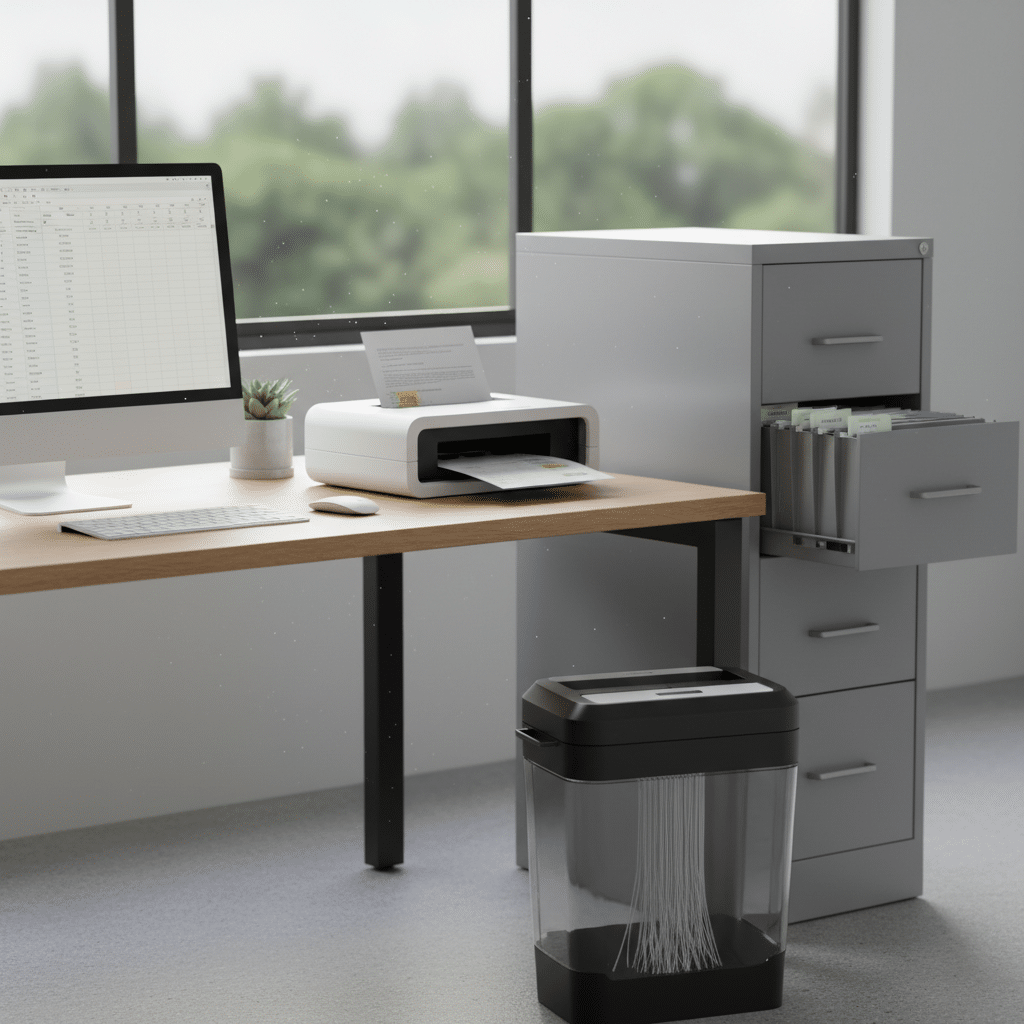
Archiving involves storing physical documents in an organized manner for future reference. This method is particularly beneficial for documents that need to be retained for legal or compliance reasons. For more information, you can explore various Document Archiving Options. Archiving can be done on-site or off-site, depending on the available space and the volume of documents.
While archiving ensures that documents are preserved, it requires significant physical space and proper environmental conditions to prevent degradation. Office managers should consider investing in quality storage solutions to maintain the integrity of archived documents. Additionally, implementing a clear labeling and indexing system can enhance the accessibility of archived files.

Viking Shredder 18 Sheets Cross Cut Security Level P-4 28 L OS1801CI

Viking Shredder 12 Sheets Cross Cut Security Level P-3 25 L OS1201D

Viking Auto Feed Shredder 120 Sheets Micro Cut Security Level P-4 23 L C233-B

Viking Shredder 10 Sheets Cross Cut Security Level P-4 10 L OS1006C

Viking Shredder 9 Sheets Micro Cut Security Level P-5 20 L OS901Mi
Shredding: Secure Document Disposal
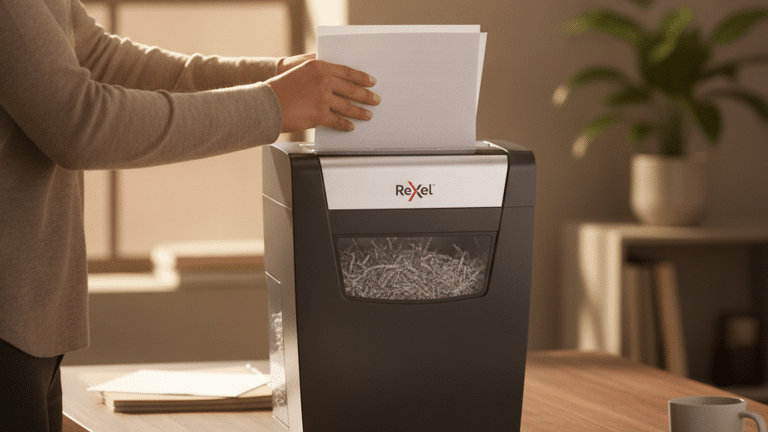
Shredding is the process of destroying documents to protect sensitive information from unauthorized access. This method is ideal for documents that are no longer needed but contain confidential data. Shredding reduces clutter and minimizes the risk of data breaches.
However, once documents are shredded, they cannot be recovered. It is essential to ensure that only documents that are no longer required are shredded. Office managers can consider using high-quality shredders to ensure effective disposal and may explore external shredding services for large volumes of documents.
Comparison Table of Document Management Methods
| Method | Benefits | Drawbacks |
|---|---|---|
| Archiving | Long-term storage, legal compliance | Requires physical space, potential for document degradation |
| Shredding | Secure disposal, reduces clutter | Permanent loss of information |
| Digitizing | Easy access, saves space | Initial cost, requires digital security measures |
Digitizing: Transitioning to a Paperless Office
Digitizing involves converting physical documents into digital formats, allowing for easy storage, retrieval, and sharing. This method significantly reduces the need for physical storage space and enhances document accessibility. Digitized documents can be stored in cloud-based systems, offering flexibility and scalability.
Despite its advantages, digitizing requires an initial investment in scanning equipment and software. Additionally, digital documents must be protected with robust cybersecurity measures to prevent unauthorized access. Office managers should consider training staff on digital document management best practices to maximize the benefits of digitization.
Best Practices for Effective Document Management
Effective document management is essential for maintaining an organized and secure office environment. By understanding the pros and cons of archiving, shredding, and digitizing, office managers can develop a strategy that optimizes space, security, and accessibility.
Regularly reviewing document management practices and staying informed about technological advancements can further enhance efficiency. Ultimately, a balanced approach that incorporates multiple methods may offer the best solution for diverse document management needs.
Frequently Asked Questions
What documents should be archived?
Documents that need to be retained for legal, compliance, or historical purposes should be archived. This includes contracts, financial records, employee files, and any documents that may be required for future reference. It is important to assess the retention requirements specific to your industry and organization to ensure compliance.
How often should documents be shredded?
The frequency of shredding documents depends on the volume of documents and the sensitivity of the information they contain. Regularly scheduled shredding sessions can help maintain a clutter-free office and ensure that sensitive information is securely disposed of. Office managers should establish a shredding policy that aligns with their document retention schedule and security needs.
What are the benefits of digitizing documents?
Digitizing documents offers several benefits, including reduced physical storage needs, improved accessibility, and enhanced security. Digital documents can be easily searched, shared, and backed up, providing greater flexibility in document management. Additionally, digitization supports environmental sustainability by reducing paper usage. However, it is crucial to implement robust cybersecurity measures to protect digital files from unauthorized access.