

As the year draws to a close, small business owners and office managers face the daunting task of conducting a year-end document audit. This process is not just about tidying up; it’s about ensuring compliance, optimizing storage, and safeguarding sensitive information. A well-executed document audit can streamline operations and mitigate risks. In this guide, we’ll explore how to efficiently determine which documents to keep, archive, or destroy.
Why is a Year-End Document Audit Essential?
Conducting a year-end document audit is crucial for maintaining an organized and efficient business environment. It helps in reducing clutter, ensuring legal compliance, and protecting sensitive information from unauthorized access. Utilizing document management tools can also enhance productivity by allowing easy access to necessary documents and freeing up valuable storage space.
Key Considerations for Document Management
- Understand legal retention requirements for your industry.
- Identify documents that are critical for ongoing operations.
- Evaluate the sensitivity of information contained in documents.
- Consider the cost and space implications of storing documents.
- Use secure methods for document destruction to protect data.
- Implement a systematic filing system for easy retrieval.
- Regularly review and update your document management policies.
What Documents Should You Keep?
Keeping certain documents is essential for legal compliance and operational efficiency. Contracts, tax returns, and employee records are examples of documents that should be retained for specific periods as mandated by law. For more information, you can refer to the Document Retention Guidelines. These documents provide a legal record and can be crucial in resolving disputes or audits.
It’s important to regularly review these documents to ensure they are up-to-date and relevant. Consider digitalizing physical copies to save space and enhance accessibility. Implement a secure filing system to protect sensitive information and ensure that documents are easily retrievable when needed.


Viking Shredder 18 Sheets Cross Cut Security Level P-4 28 L OS1801CI

Viking Shredder 12 Sheets Cross Cut Security Level P-3 25 L OS1201D

Viking Auto Feed Shredder 120 Sheets Micro Cut Security Level P-4 23 L C233-B

Viking Shredder 10 Sheets Cross Cut Security Level P-4 10 L OS1006C

Viking Shredder 9 Sheets Micro Cut Security Level P-5 20 L OS901Mi
How to Archive and Destroy Documents Effectively
Archiving documents involves storing them securely for long-term reference. Financial records, project files, and historical data are often archived for future analysis or compliance purposes. Utilize offsite storage or cloud solutions to save physical space and enhance security.
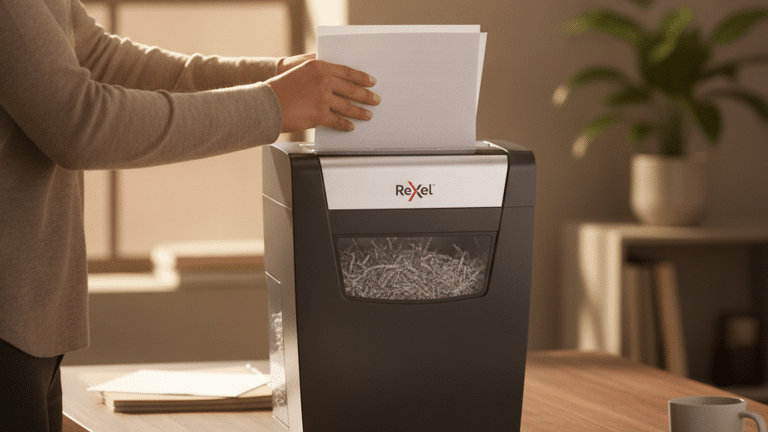
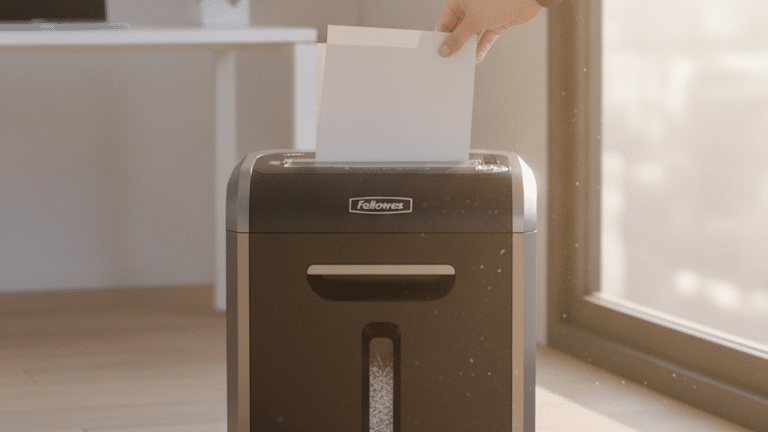
On the other hand, destroying documents is necessary to protect sensitive information and reduce clutter. Use shredders for physical documents and secure deletion tools for digital files. Ensure that destruction methods comply with data protection regulations to prevent unauthorized access to confidential information.
Comparison Table of Document Management Actions
| Action | Purpose | Example Documents |
|---|---|---|
| Keep | For ongoing reference and legal compliance | Contracts, tax returns |
| Archive | For historical reference and backup | Old financial reports, past project files |
| Destroy | To protect sensitive information and reduce clutter | Outdated employee records, old drafts |
Final Thoughts
Conducting a thorough year-end document audit is a vital practice for any business looking to maintain efficiency and compliance. By systematically categorizing documents for keeping, archiving, or destroying, businesses can optimize their document management strategies.
Remember, a well-organized document management system not only supports legal compliance but also enhances operational efficiency and data security. Regular audits and updates to your document management policies will ensure your business remains agile and prepared for future challenges.
Frequently Asked Questions
How long should I keep tax documents?
Typically, tax documents should be kept for at least seven years. This period covers the IRS’s statute of limitations for audits and claims. However, it’s wise to consult with a tax professional for specific guidance related to your business and jurisdiction.
What is the best way to archive documents?
Archiving documents can be done through both physical and digital means. For physical documents, consider using offsite storage facilities. For digital documents, cloud storage solutions offer secure and scalable options. Ensure that archived documents are easily accessible and protected from unauthorized access.
When should I destroy documents?
Documents should be destroyed when they are no longer legally required and have no ongoing business relevance. Sensitive documents should be destroyed promptly to protect confidential information. Ensure that destruction methods comply with data protection laws.
What are some secure methods for document destruction?
For physical documents, shredding is the most common method. Cross-cut shredders offer enhanced security by cutting paper into small pieces. For digital documents, use software that permanently deletes files by overwriting data, ensuring it cannot be recovered.
How can I ensure compliance with document retention laws?
To ensure compliance, familiarize yourself with the specific document retention laws applicable to your industry and jurisdiction. Implement a document management policy that outlines retention periods and regularly review it to accommodate any legal changes. Consult with legal experts if necessary.