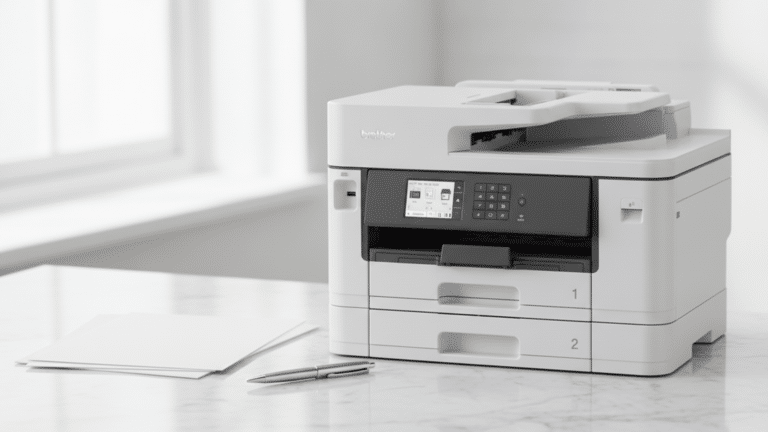


Managing office supplies efficiently is crucial for maintaining a healthy budget in any business. Office managers and small business owners often overlook the importance of auditing office supply expenses, which can lead to unnecessary overspending. By understanding and controlling these costs, businesses can allocate resources more effectively and improve their bottom line. This guide provides a comprehensive approach to auditing office supplies spend, offering practical steps to ensure your expenses are well-managed and cost-effective.
How Can You Quickly Audit Your Office Supplies Spend?
To quickly audit your office supplies spend, start by gathering all relevant financial documents, such as invoices and receipts. Review these documents to identify patterns and categorize expenses. Use this information to create a baseline of your current spending.
Key Steps for Auditing Office Supplies
- Gather financial documents
- Categorize expenses
- Create a spending baseline
- Compare with industry benchmarks
- Identify areas for cost reduction
- Implement a monitoring system
- Review and adjust regularly
Gather All Relevant Financial Documents
Begin your audit by collecting all invoices, receipts, and purchase orders related to office supplies. This comprehensive collection of documents will serve as the foundation for your audit. For further guidance, refer to the Office Supplies Audit Guide. Ensure that you have records from multiple periods, ideally covering at least the past six months to a year, to identify trends and anomalies.
Organize these documents by date and supplier to facilitate easy access during your analysis. Digital tools like expense management software can simplify this process, enabling you to store and retrieve documents efficiently. Having a complete and organized set of records is crucial for a successful audit.


Viking Staples 26/6 Metal Silver Pack of 5000

Pukka Pad Notebook Metallic Jotta A5 Ruled Spiral Bound Cardboard Hardback Green Perforated 200 Pages Pack of 3

Post-it Carnival Super Sticky Notes 76 x 76 mm Assorted Colours Square 6 Pads of 90 Sheets

Viking Extra Sticky Notes 76 x 76 mm Assorted Colours Square 6 Pads of 90 Sheets

Post-it Super Sticky Notes Rectangular 127 x 76 mm Plain Assorted Miami 90 6 Pieces of 90 Sheets
Categorize Your Office Supply Expenses
Once you have gathered all documents, categorize your expenses into specific groups such as printing supplies, stationery, and cleaning products. This categorization helps you understand where the majority of your spending occurs and allows for more targeted analysis.
Use spreadsheet software or specialized accounting tools to create categories and subcategories. This will provide a clear overview of your spending patterns and help you identify areas where costs can be reduced. Accurate categorization is essential for a detailed audit.
Comparison Table of Office Supplies Expenses
| Category | Current Spend | Industry Average | Potential Savings |
|---|---|---|---|
| Printing Supplies | $500/month | $400/month | $100/month |
| Stationery | $300/month | $250/month | $50/month |
| Cleaning Supplies | $150/month | $100/month | $50/month |
Create a Baseline of Current Spending
With your expenses categorized, establish a baseline of your current spending. Calculate the total spend for each category over a defined period, such as monthly or quarterly. This baseline will serve as a reference point for future comparisons and assessments.
Having a clear picture of your current spending allows you to set realistic goals for cost reduction. It also helps in tracking progress over time, ensuring that any changes implemented are effective in reducing expenses.
Conclusion
Auditing your office supplies spend is a crucial step in effective cost management. By following this step-by-step guide, you can gain a clear understanding of your current expenses, identify areas for improvement, and implement strategies to reduce costs. Regular audits ensure that your business remains efficient and competitive.
For additional support and to explore potential solutions, check out Viking Direct’s desktop essentials. With the right tools and strategies, managing office supplies can become a streamlined and cost-effective process.
Frequently Asked Questions
Why is auditing office supplies important?
Auditing office supplies is essential for identifying unnecessary expenses and ensuring that your business operates efficiently. It helps in optimizing budget allocation and reducing waste, ultimately improving profitability.
How often should I audit office supplies?
It’s recommended to audit office supplies at least annually. However, quarterly audits can provide more frequent insights and allow for timely adjustments to spending patterns.
What tools can help with auditing office supplies?
Expense management software, spreadsheets, and accounting tools are useful for organizing and analyzing office supply expenses. These tools streamline the auditing process and provide detailed insights into spending patterns.
How can I negotiate better rates with suppliers?
To negotiate better rates, research supplier pricing, consolidate orders to increase volume, and leverage competitive quotes. Building strong relationships with suppliers can also lead to more favorable terms.
What are some common categories for office supply expenses?
Common categories include printing supplies, stationery, cleaning products, and technology accessories. Categorizing expenses helps in identifying areas with potential for cost reduction.
How do I create a spending baseline?
Calculate the total spend for each category over a specific period, such as monthly or quarterly. This baseline serves as a reference point for future comparisons and helps in tracking progress.
What should I do if my spending exceeds industry benchmarks?
If your spending exceeds benchmarks, investigate the reasons for higher costs and explore options for reducing expenses. This may involve switching suppliers, negotiating better rates, or adjusting usage policies.
How can I ensure ongoing cost control?
Implement a monitoring system to track expenses regularly. Use digital tools to automate tracking and generate reports, allowing for timely adjustments and continuous improvement.
What are some tips for reducing office supply costs?
Consider bulk purchasing, negotiating with suppliers, and switching to cost-effective alternatives. Implement usage policies and encourage employees to be mindful of supply consumption.
How can I involve employees in cost management?
Educate employees about the importance of cost management and encourage them to suggest ideas for reducing expenses. Involvement fosters a sense of responsibility and can lead to innovative solutions.
What are the benefits of regular audits?
Regular audits provide insights into spending patterns, help identify cost-saving opportunities, and ensure efficient resource allocation. They contribute to maintaining a healthy budget and improving financial performance.
How can I track office supply expenses effectively?
Use expense management software to automate tracking and generate detailed reports. Categorize expenses accurately and review them regularly to ensure alignment with budget goals.