
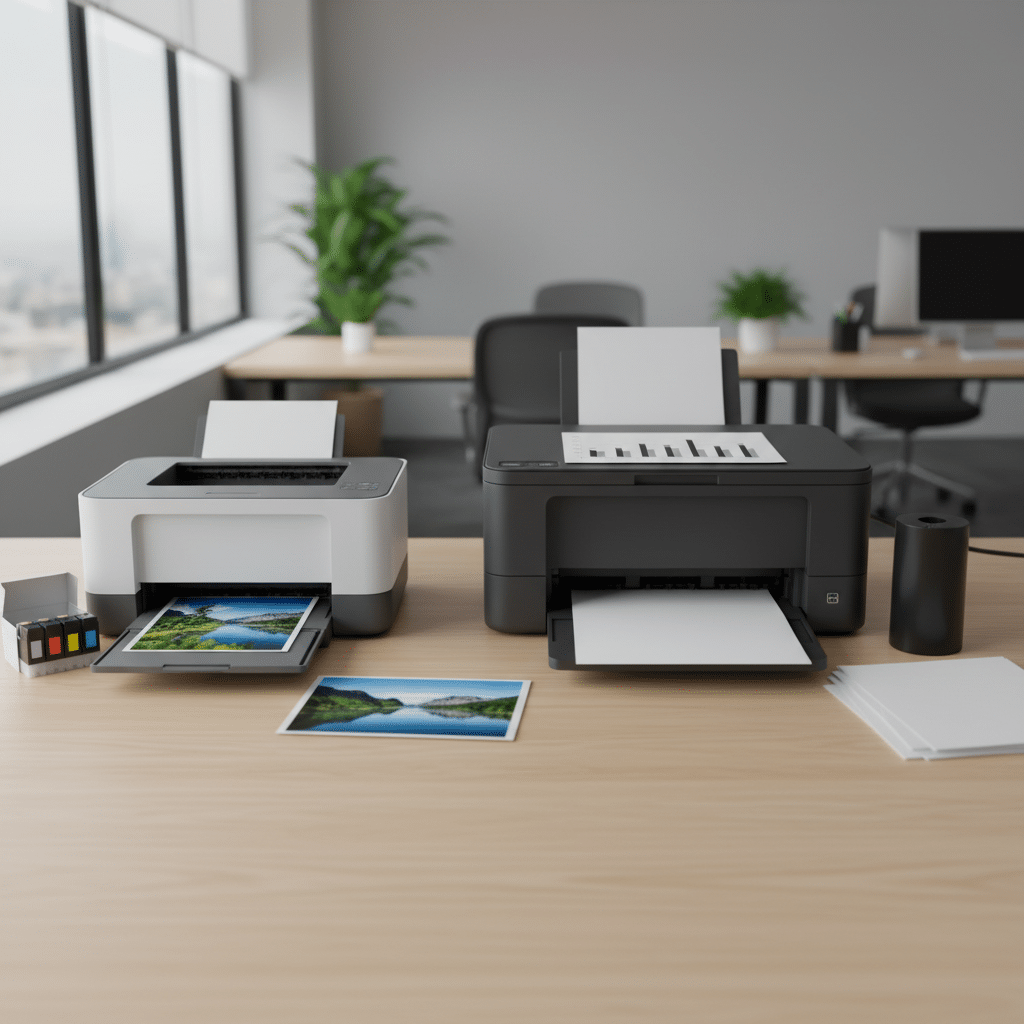

Choosing the right printer for your office can significantly impact your budget and efficiency. UK office managers and buyers often face the dilemma of selecting between inkjet and laser printers, particularly when considering the cost per page. This guide delves into the specifics of calculating this cost, comparing upfront and running expenses, and evaluating the best choice for different volume needs.
How to Calculate Cost Per Page
Calculating the cost per page involves dividing the price of the cartridge by the yield, which is the number of pages a cartridge can print before it runs out. For instance, if an inkjet cartridge costs £20 and yields 400 pages, the cost per page is £0.05. Similarly, a laser toner costing £60 with a 2,000-page yield results in a cost per page of £0.03. For a more detailed analysis, you can refer to the Cost per page comparison.
Key Factors in Choosing Between Inkjet and Laser
- Calculate the cost per page using cartridge price and yield.
- Consider upfront costs vs long-term running costs.
- Evaluate print speed requirements for your office.
- Assess the quality needs: colour photos vs text documents.
- Understand hidden costs like maintenance and toner waste.
- Determine the volume of printing your office requires.
Upfront vs Running Costs
When investing in a printer, the initial purchase price is just one part of the equation. Inkjet printers often have a lower upfront cost, making them appealing for offices with tight budgets. However, their running costs can be higher due to frequent cartridge replacements. Laser printers, on the other hand, typically have a higher purchase price but offer lower running costs over time, thanks to longer-lasting toner cartridges. For a detailed analysis, consider a Cost per page comparison.
For example, an inkjet printer might cost £100, while a comparable laser printer could be £200. Yet, if the inkjet’s cartridges need replacing every month versus the laser’s biannual replacements, the total cost of ownership may favour the laser printer over time. Thus, assessing both initial and ongoing expenses, such as in the case of Inkjet vs Laser Costs, is crucial for making an informed decision.
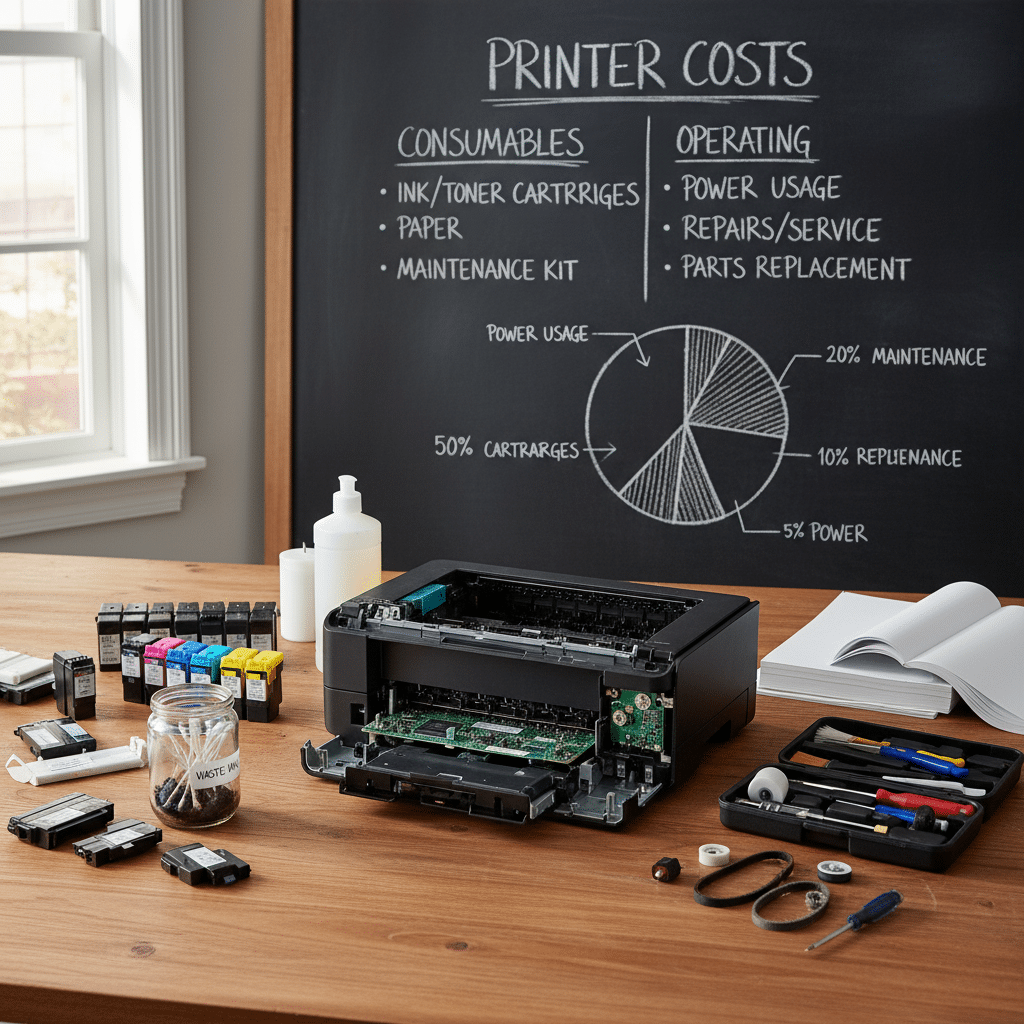

HP 953 Original Ink Cartridge 6ZC69AE Black, Cyan, Magenta, Yellow Pack of 4 Multipack

HP 305XL Original Ink Cartridge 3YM62AE Black

HP 937 Original Ink Cartridge 6C400NE Cyan, Yellow, Magenta, Black Multipack Pack of 4

HP 305XL Original Ink Cartridge 3YM63AE Cyan, Magenta, Yellow

HP 953XL Original Ink Cartridge L0S70AE Black
Low-Volume vs High-Volume Printing
The volume of printing your office requires plays a significant role in deciding between inkjet and laser printers. Inkjet printers are ideal for low-volume environments where high-quality colour prints are essential. They excel in producing vibrant photos and graphics, making them suitable for marketing or creative teams, especially when considering the Cost per page comparison.
Conversely, laser printers are designed for high-volume tasks, delivering fast and efficient text document printing. Their speed and lower cost per page comparison make them perfect for busy offices that handle large batches of paperwork daily. Understanding your office’s printing needs will help in selecting the right printer technology.
Comparison Table of Inkjet vs Laser Printers
| Aspect | Inkjet | Laser |
|---|---|---|
| Cost per Page | £0.05 – £0.10 | £0.02 – £0.05 |
| Speed | Slower (10-20 ppm) | Faster (20-40 ppm) |
| Print Quality | Better for photos | Better for text |
| Ideal Use | Low-volume, colour prints | High-volume, text-heavy prints |
Hidden Costs to Consider
Beyond the obvious costs, there are hidden expenses associated with both printer types. Inkjet printers may require more frequent maintenance due to their print head technology, potentially leading to increased downtime. Additionally, ink can dry out if not used regularly, resulting in waste and additional costs. For a deeper understanding of these factors, consider a Cost per page comparison.
Laser printers, while generally more robust, have their own hidden costs. Toner waste, warm-up times, and periodic drum replacements can add to the overall expense. Evaluating these factors is essential to ensure you’re not caught off guard by unexpected costs, thereby impacting your office’s budget.
Conclusion: Choosing the Right Printer for Your Office
Ultimately, the decision between inkjet and laser printers depends on your office’s specific needs and printing habits. Consider the cost per page, volume requirements, and the type of documents you print most frequently. Each printer type has its strengths and weaknesses, and understanding these can lead to a more informed and cost-effective decision.
For those needing high-quality colour prints in low volumes, inkjet may be the way to go. Conversely, if your office demands high-volume, text-heavy printing, a laser printer could be more economical in the long run. Evaluate your priorities and make a choice that aligns with your office’s operational goals.
Frequently Asked Questions
What is the main cost difference between inkjet and laser printers?
Inkjet printers generally have a lower upfront cost but higher running costs due to frequent cartridge replacements. Laser printers, while more expensive initially, tend to have lower long-term costs because of their efficient toner usage and longer cartridge life.
How do I calculate the cost per page for my printer?
To calculate the cost per page, divide the price of the cartridge by the number of pages it yields. For example, a £20 inkjet cartridge that prints 400 pages has a cost per page of £0.05. This method helps compare the efficiency and cost-effectiveness of different printers.
Are laser printers more environmentally friendly than inkjet printers?
Laser printers can be more environmentally friendly in terms of energy efficiency and waste reduction. They typically require fewer cartridge replacements, leading to less waste. However, they do consume more power during operation, especially during warm-up phases.
Which printer is better for high-quality photo printing?
Inkjet printers are generally better suited for high-quality photo printing due to their ability to produce vibrant colours and fine details. They use liquid ink, which blends well on photo paper, making them ideal for creative and marketing teams that require professional-grade images.
What hidden costs should I be aware of when choosing a printer?
Hidden costs can include maintenance, warm-up times, and waste. Inkjet printers may require more frequent maintenance and can suffer from ink drying out. Laser printers might incur costs related to toner waste and periodic drum replacements. Understanding these factors can help in budgeting effectively.


